


Dentistry
Dental Services In Belmont, MA
We use the latest technology and techniques to ensure you receive the highest quality care in a comfortable and friendly environment.
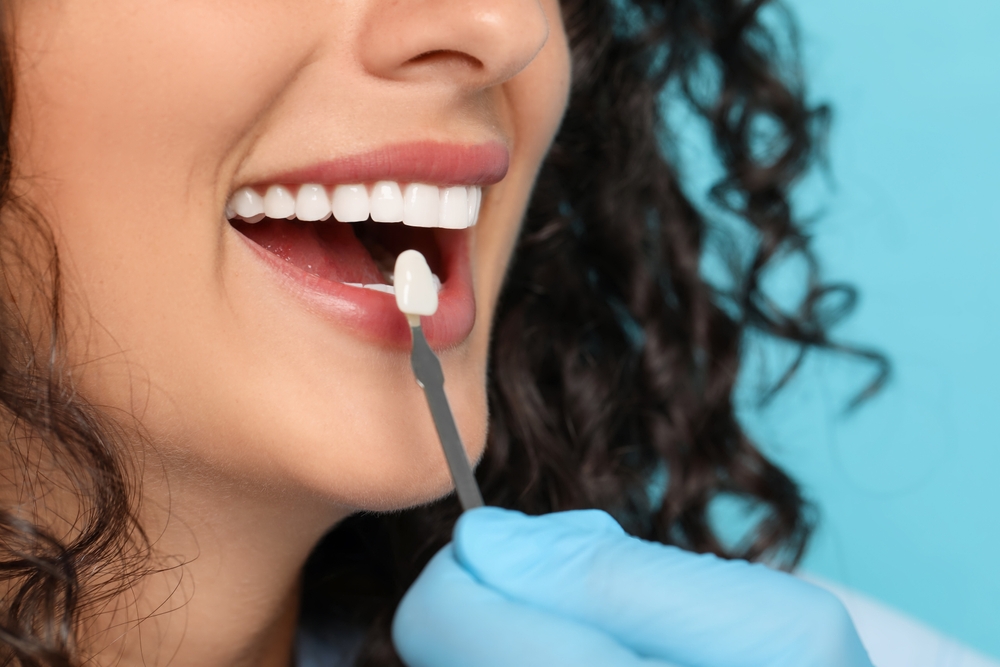
Dental Implants
The newest method in dentistry used to replace missing or extracted teeth is a procedure called dental implants. Dental implants consist of three key components – a screw-like piece of metal called an anchor is first inserted into the jawbone, then a crown that acts as a replacement tooth is placed on top of the anchor, and an abutment is used to secure the two together.
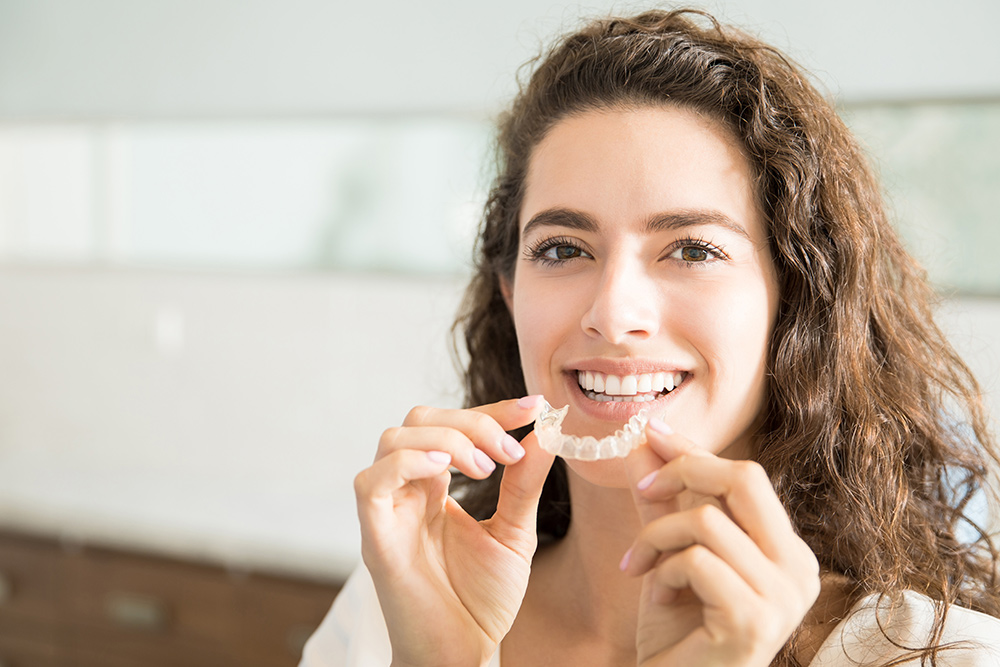
Invisalign
Most people are unhappy with at least one aspect of their smile and while there are a variety of issues that can create this unhappiness, the most common complaint is crooked or gapped teeth. If either of these reasons is why you aren’t completely happy with your smile, then it’s time to do something about it!

Deep Cleaning
Many patients may have heard the term deep cleaning and believe that to be the work that their hygienist performs every six months. However, deep cleanings are not the same as the routine cleanings that are being performed. Deep cleanings are generally conducted after patients have missed their regular cleanings for a long period of time and are used in order to correct any periodontal or gum disease.

Cosmetic Bonding
There are many different types of cosmetic dentistry treatments now available with cosmetic bonding being one of the simplest yet most effective. The process of cosmetic bonding involves the application of a special resin over the top of the teeth, which is then shaped and molded to cover any imperfections and improve the overall appearance of the patient’s teeth. The effect of cosmetic bonding creates a smile that looks healthier, more even and more attractive than before.
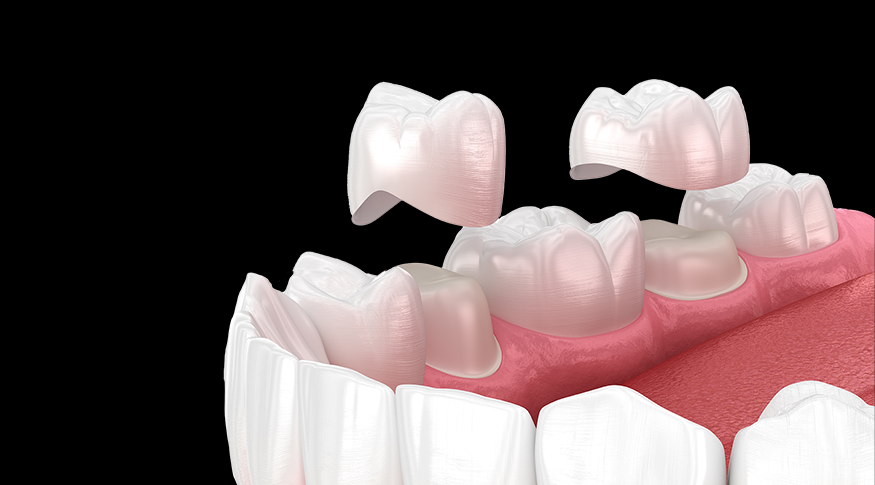
Crowns
Many patients state that their single largest concern with going to the dentist is the placement of crowns. Part of this concern has been linked to the number of times that you must visit a dentist’s office as well as the overall time that you are required to be in the dental chair.

Tooth-Colored Fillings
Fillings are one of the most common dental restorations, used to treat small areas of decay in the teeth. When you need a filling, the decay is drilled out and cleaned so that there is no remaining bacteria, before the hole is filled using a filling.

Pediatric Dentistry
Pediatric dentistry services, offered by your dentist, are invaluable in helping to keep your child’s teeth in the best health possible. Here is what you need to know about pediatric dentistry and what it can do for your little ones.
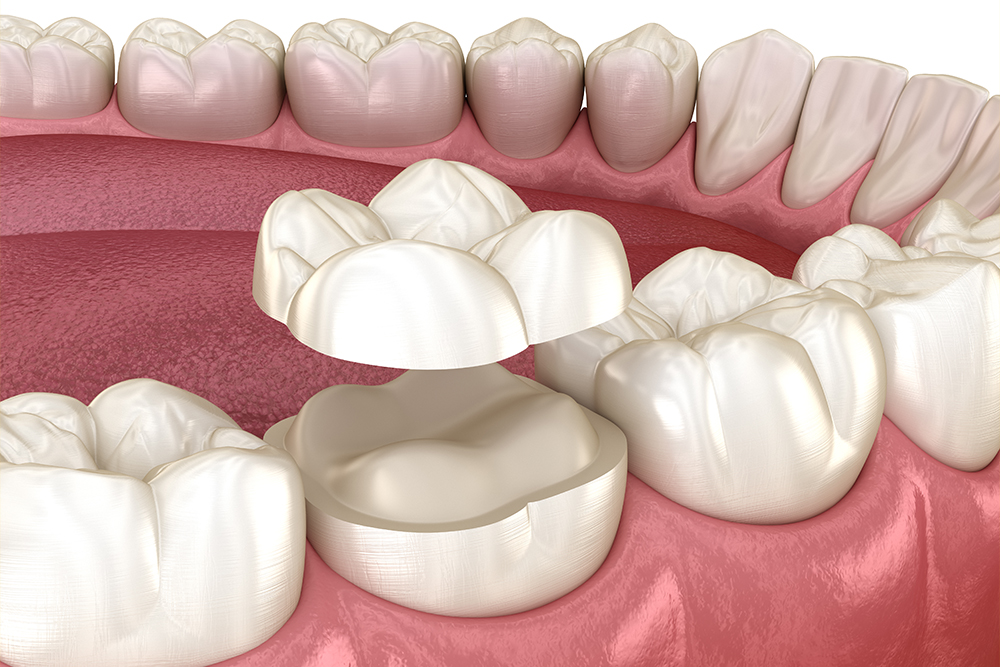
Sealants
If you’ve recently had a dental procedure, you may have received a sealant treatment. It is a quick and easy procedure that many patients don’t know much about. Sealants are thin plastic coatings that are painted onto the surface of the tooth that help to reduce tooth decay and protect the underlying tooth.

Tooth Extractions
While your dentist will always do everything possible to maintain your natural teeth, there is no getting away from the fact that sometimes, issues occur that mean that the best way to preserve your oral health and the rest of your smile is to remove problem teeth.

Root Canal
Nothing strikes fear into the heart of dental patients quite like the words ‘root canal treatment’. When the blood or nerve supply of a tooth (often known as the ‘pulp’) becomes damaged through injury, infection, or decay, it can cause the nerve of the tooth to die. Years ago this would have meant that the tooth would have to be removed entirely before the whole area became infected. However, thanks to root canal treatment, it is now possible to save teeth that are at risk from the damaged pulp.
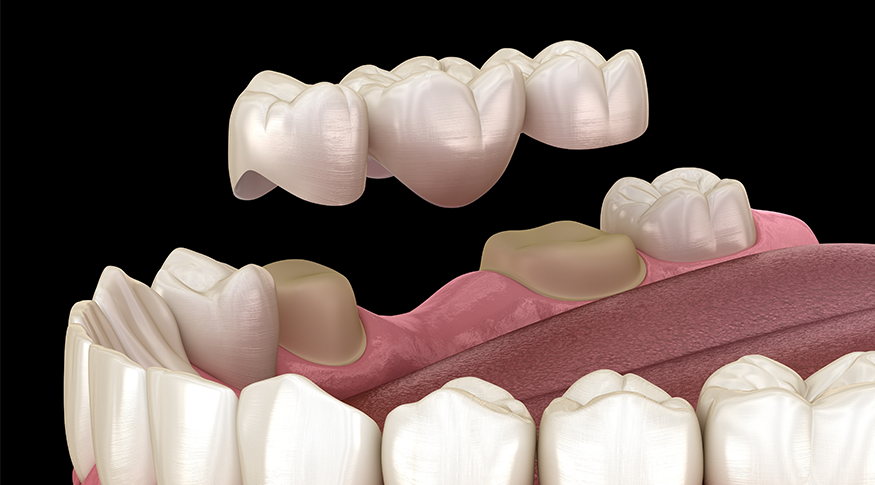
Dental Bridges
There are many different treatments available for badly damaged or decayed teeth, but unfortunately, sometimes a tooth is beyond repair and can leave an unsightly gap in your smile.
Contact Info
Office Address: 333 Trapelo Rd.
Belmont, MA 02478
Belmont, MA 02478
Call Or Text(617) 485-0745
Office Hours
- Monday 8:30am - 5:00pm
- Tuesday 8:30am - 5:00pm
- Wednesday 8:30am - 5:00pm
- Thursday 8:30am - 5:00pm
- Friday 9:00am - 5:00pm
- Saturday Closed
- Sunday Closed
© 2026 EyeSmile Dentistry and Optometry of Belmont. All rights Reserved. Accessibility Statement - Privacy Policy - Sitemap
Powered by:
