


What Actually Works for Dry Eye? Treatments That Go Beyond Artificial Tears

Why Artificial Tears Are Not Always Enough
Artificial tears can help temporarily soothe dry, irritated eyes, but they do not always address the reason symptoms keep coming back. For many people, dry eye is connected to tear quality, inflammation, blocked oil glands, eyelid hygiene, allergies, screen use, or other underlying factors.
At EyeSmile Dentistry and Optometry of Belmont, we look beyond short-term relief. Our goal is to understand what is causing your dry eye symptoms so we can recommend care that supports healthier, more comfortable eyes.
Understanding the Source of Dry Eye
Dry eye can happen when your eyes do not produce enough tears or when the tears evaporate too quickly. One of the most common contributors is meibomian gland dysfunction, often called MGD. These tiny glands in the eyelids produce the oil layer of your tears, which helps keep moisture from evaporating.
When these glands are clogged or not functioning properly, your eyes may feel dry even if they are still producing tears. That is why a detailed dry eye evaluation is important before choosing the right treatment.
Signs You May Need More Than Eye Drops
Dry eye symptoms can vary from mild irritation to daily discomfort that affects work, reading, driving, or contact lens wear. You may benefit from advanced dry eye care if you experience:
- Burning, stinging, or gritty eyes
- Redness or watering
- Blurry vision that comes and goes
- Light sensitivity
- Contact lens discomfort
- Heavy or tired eyes after screen use
- Symptoms that return soon after using artificial tears
These signs often mean the tear film needs more support than over-the-counter drops can provide.
Advanced Testing Helps Guide Treatment
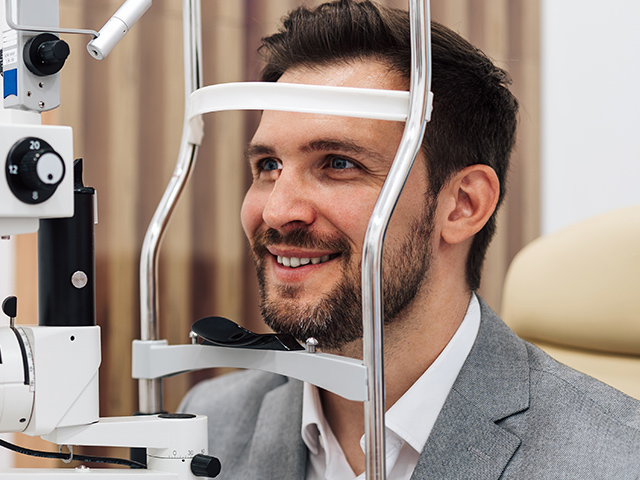
Before recommending dry eye treatment, we evaluate the health of the tear film, eyelids, and oil glands. This helps us determine whether the main issue is inflammation, poor tear quality, blocked glands, environmental triggers, or another concern.
Diagnostic testing can also help us track changes over time. Instead of guessing which treatment might work, we use the exam findings to create a more personalized plan for long-term relief.
Treatments That Target the Cause
Depending on your diagnosis, dry eye treatment may include eyelid hygiene, prescription eye drops, in-office therapies, warm compress guidance, lifestyle recommendations, or advanced treatments designed to improve meibomian gland function.
EyeSmile Dentistry and Optometry of Belmont also offers options such as IPL therapy for dry eye. IPL uses controlled light energy to help reduce inflammation and support healthier oil gland function. For patients with evaporative dry eye or MGD, this can be an important step beyond artificial tears.
Small Daily Changes Can Support Better Comfort
In-office treatment is often most effective when paired with consistent home care. We may recommend changes such as taking screen breaks, improving lid hygiene, using a humidifier, staying hydrated, adjusting contact lens habits, or avoiding certain irritants.
The right routine depends on your eyes. What works for one patient may not be enough for another, which is why we focus on personalized dry eye care instead of a one-size-fits-all approach.
Finding Lasting Dry Eye Relief
Dry eye can be frustrating, especially when drops only help for a short time. With the right evaluation and treatment plan, many patients can achieve better comfort, clearer vision, and fewer flare-ups throughout the day.
For dry eye treatment in Belmont, MA, contact EyeSmile Dentistry and Optometry of Belmont at 333 Trapelo Rd., Belmont, MA 02478 by calling or texting (617) 485-0745.

Contact Info
Office Address: 333 Trapelo Rd.
Belmont, MA 02478
Belmont, MA 02478
Call Or Text(617) 485-0745
Office Hours
- Monday 8:30am - 5:00pm
- Tuesday 8:30am - 5:00pm
- Wednesday 8:30am - 5:00pm
- Thursday 8:30am - 5:00pm
- Friday 9:00am - 5:00pm
- Saturday Closed
- Sunday Closed
© 2026 EyeSmile Dentistry and Optometry of Belmont. All rights Reserved. Accessibility Statement - Privacy Policy - Sitemap
Powered by:
